

Psoriasis is a chronic skin condition that causes cells to build up rapidly on the skin’s surface, leading to scaling, inflammation, and discomfort.
Understanding how to manage psoriasis effectively can significantly improve the quality of life for those affected.
In this detailed guide, we will explore various tips and treatments for managing psoriasis.
Understanding Psoriasis
Psoriasis is an autoimmune condition that accelerates the life cycle of skin cells, causing them to accumulate rapidly on the surface.
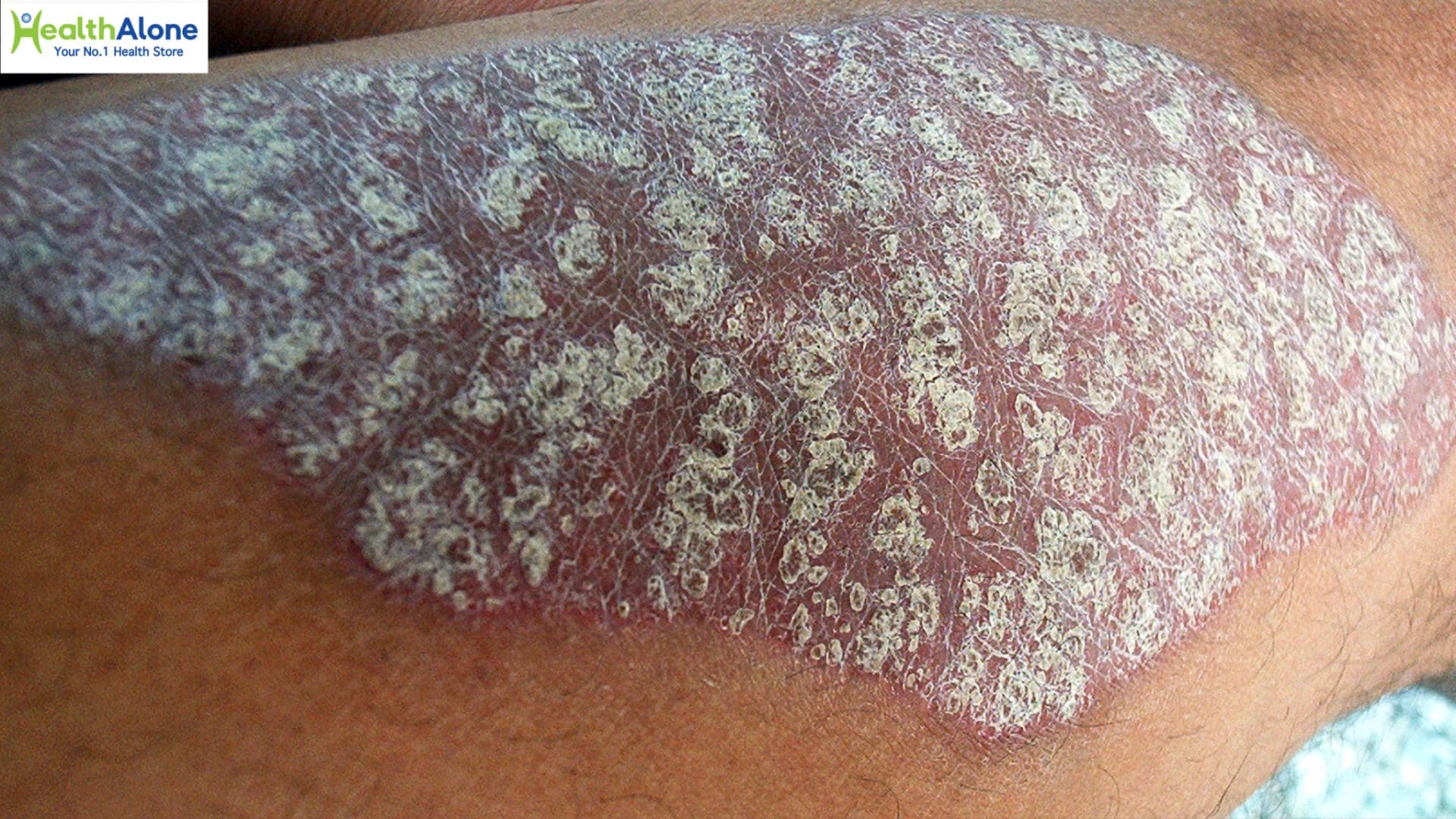
This results in patches of thick, red skin covered with silvery scales, often accompanied by itching and pain.
Causes of Psoriasis
The exact cause of psoriasis is not fully understood, but it is believed to involve a combination of genetic, immune, and environmental factors. Key contributors include:
- Genetics: A family history of psoriasis increases the risk.
- Immune System: An overactive immune system mistakenly attacks healthy skin cells.
- Environmental Triggers: Factors such as infections, skin injuries, stress, and certain medications can trigger or worsen psoriasis.
Types of Psoriasis
Psoriasis manifests in various forms, each with distinct characteristics:
- Plaque Psoriasis: The most common type, marked by red, scaly patches.
- Guttate Psoriasis: Characterized by small, drop-shaped lesions.
- Inverse Psoriasis: Affects skin folds, such as under the breasts or in the groin.
- Pustular Psoriasis: Involves white pustules surrounded by red skin.
- Erythrodermic Psoriasis: A severe form that causes widespread redness and shedding of the skin.
Common Symptoms
Common symptoms of psoriasis include:
- Red patches of skin covered with thick, silvery scales
- Dry, cracked skin that may bleed
- Itching, burning, or soreness
- Thickened, pitted, or ridged nails
- Swollen and stiff joints (psoriatic arthritis)
Diagnosis and When to Seek Help
A dermatologist can diagnose psoriasis based on the appearance of the skin. In some cases, a biopsy may be performed to confirm the diagnosis.
If you experience symptoms such as joint pain, severe discomfort, or extensive skin involvement, seek medical advice promptly.
Daily Skincare Routine
A consistent skincare routine can help manage psoriasis symptoms. Here’s a basic guide:
Gentle Cleansing
Use mild, fragrance-free cleansers to avoid irritating the skin. Avoid hot water and opt for lukewarm showers.
Moisturizing
Apply thick, fragrance-free moisturizers immediately after bathing to lock in moisture and soothe dry, scaly skin.
Exfoliating
Incorporate gentle exfoliation to remove dead skin cells and reduce scaling. Avoid aggressive scrubbing, which can worsen irritation.
Diet and Nutrition
Diet plays a crucial role in managing psoriasis. Consider these dietary tips:
- Anti-Inflammatory Foods: Include foods rich in omega-3 fatty acids, such as salmon and flaxseeds, to reduce inflammation.
- Fruits and Vegetables: A diet high in fruits and vegetables can support overall health and reduce psoriasis flare-ups.
- Avoid Triggers: Identify and avoid foods that may trigger your symptoms, such as gluten or dairy, if applicable.
Topical Treatments
Topical treatments are often the first line of defense against psoriasis. Common options include:
- Corticosteroids: Reduce inflammation and slow down cell turnover.
- Vitamin D Analogues: Help to slow skin cell growth.
- Topical Retinoids: Normalize DNA activity in skin cells and reduce inflammation.
- Salicylic Acid: Promotes shedding of dead skin cells and reduces scaling.
- Coal Tar: Slows skin cell growth and reduces scaling and itching.
Phototherapy
Phototherapy, or light therapy, involves exposing the skin to ultraviolet (UV) light under medical supervision. Types of phototherapy include:
- UVB Phototherapy: Effective for widespread psoriasis.
- PUVA Therapy: Combines a light-sensitizing medication (psoralen) with UVA light.
Systemic Medications
For moderate to severe psoriasis, systemic medications may be prescribed. These include:
- Methotrexate: Suppresses the immune system to reduce inflammation.
- Cyclosporine: Another immune suppressant, often used for severe cases.
- Acitretin: A retinoid that normalizes skin cell growth.
Biologic Treatments
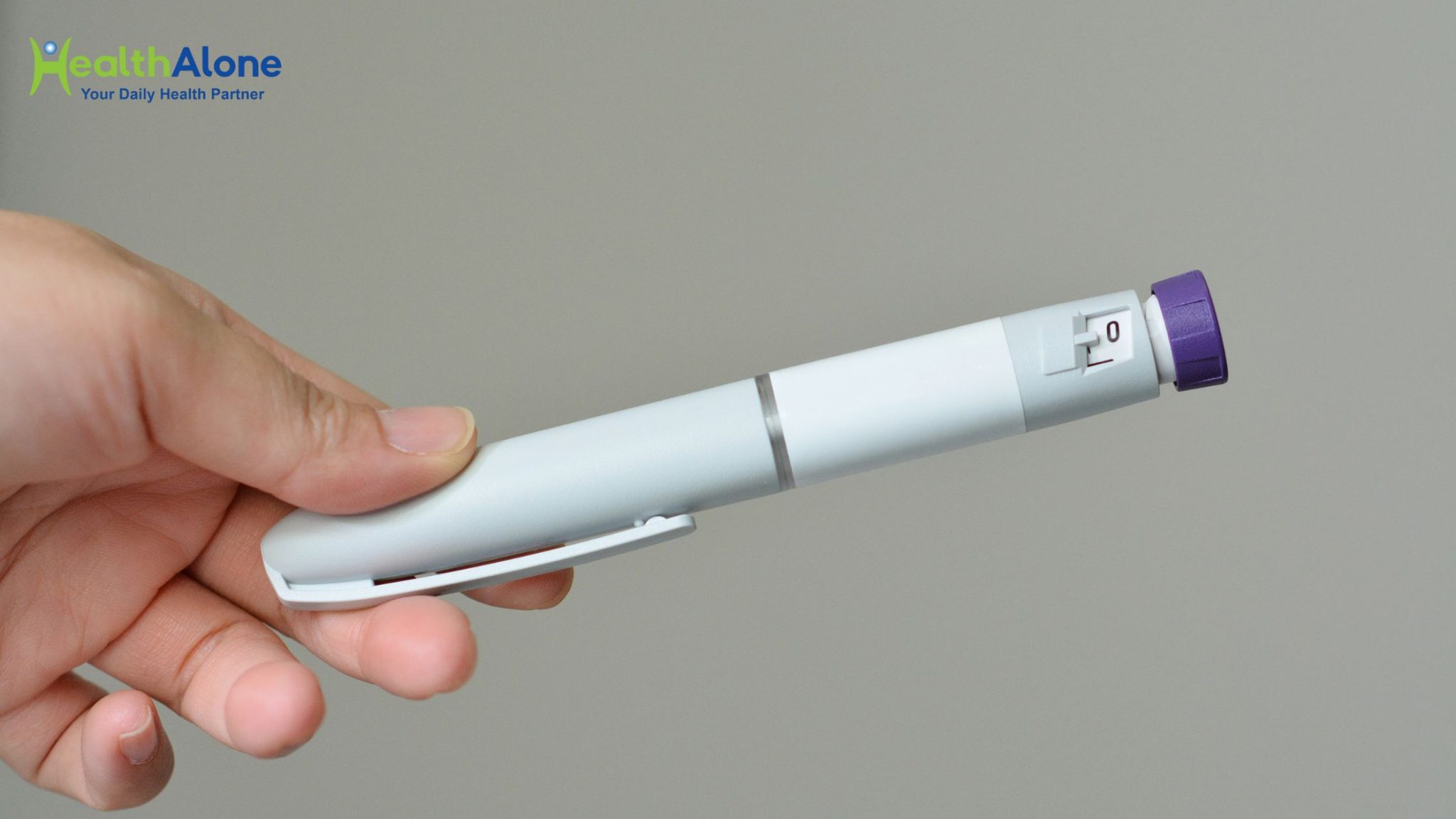
Biologics are advanced medications that target specific parts of the immune system. They are typically prescribed for moderate to severe psoriasis that has not responded to other treatments. Common biologics include:
- TNF-alpha Inhibitors: Reduce inflammation by targeting tumor necrosis factor-alpha.
- IL-17 Inhibitors: Block the action of interleukin-17, a protein involved in the inflammatory process.
- IL-12/23 Inhibitors: Target interleukins 12 and 23 to reduce inflammation and skin cell growth.
Natural Remedies
Some individuals find relief from psoriasis symptoms with natural remedies. These include:
- Aloe Vera: Soothes and hydrates the skin.
- Tea Tree Oil: Has anti-inflammatory and antimicrobial properties.
- Oats: Oatmeal baths can relieve itching and inflammation.
- Apple Cider Vinegar: May help reduce scalp psoriasis symptoms.
Lifestyle Adjustments
Making certain lifestyle changes can help manage psoriasis more effectively:
- Regular Exercise: Helps reduce stress and promotes overall health.
- Healthy Weight: Maintaining a healthy weight can reduce the severity of psoriasis.
- Avoid Smoking and Limit Alcohol: Both can trigger or worsen psoriasis symptoms.
Managing Stress
Stress is a known trigger for psoriasis flare-ups. Consider these stress-reducing techniques:
- Mindfulness Meditation: Helps reduce stress and improve emotional well-being.
- Yoga: Combines physical activity with stress relief.
- Deep Breathing Exercises: Can help calm the mind and reduce stress levels.
Conclusion
Managing psoriasis requires a comprehensive approach that includes proper skincare, dietary adjustments, medical treatments, and lifestyle changes.
By understanding the triggers and implementing effective strategies, individuals with psoriasis can achieve better control over their condition and improve their quality of life.