


Introduction
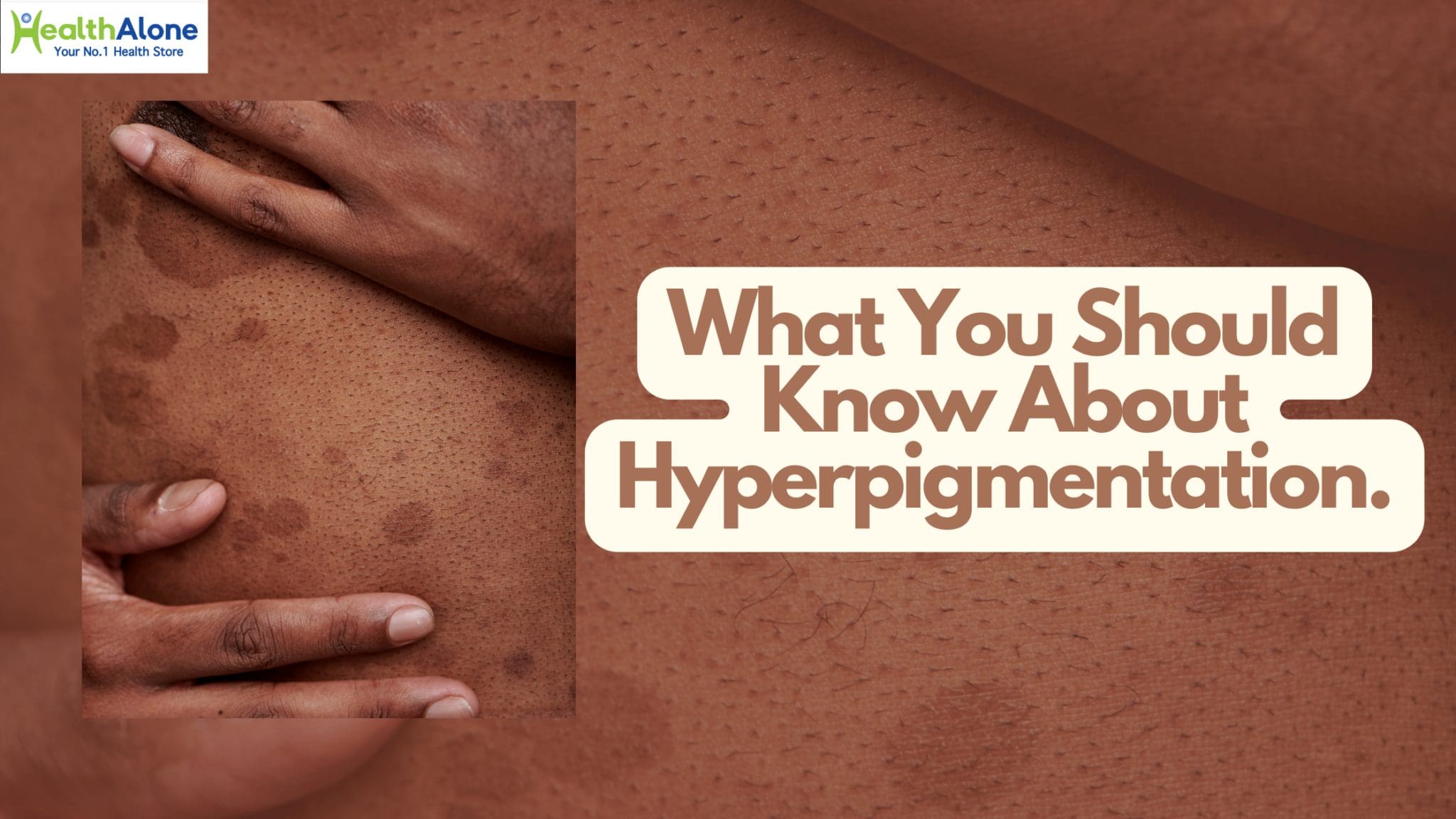
Hyperpigmentation is a common skin condition that can affect anyone, regardless of age or skin type. It’s characterized by darkened areas of the skin caused by an excess production of melanin, the pigment responsible for skin color.
Understanding hyperpigmentation is crucial not only for effective treatment but also for prevention and management.
This article will delve into the causes, types, prevention, and treatments of hyperpigmentation, providing a comprehensive guide to help you manage this skin condition effectively.
What is Hyperpigmentation?
Hyperpigmentation refers to the darkening of the skin due to the overproduction of melanin. This can occur in small patches, cover large areas, or affect the entire body. The condition is usually harmless but can sometimes indicate an underlying medical issue.
Causes of Hyperpigmentation
Sun Exposure
The sun is one of the biggest culprits behind hyperpigmentation. UV rays trigger melanin production as a natural defense mechanism, leading to sunspots and other forms of hyperpigmentation.
Hormonal Changes
Hormonal fluctuations, particularly in women, can lead to hyperpigmentation. Conditions like pregnancy or the use of birth control pills can cause melasma, a type of hyperpigmentation characterized by dark, irregular patches.
Inflammation and Skin Injuries
Inflammation from acne, eczema, or skin injuries can result in post-inflammatory hyperpigmentation (PIH). This type occurs when the skin darkens as it heals.
Medications
Certain medications can increase the risk of hyperpigmentation. These include some antibiotics, chemotherapy drugs, and medications used to treat psychiatric disorders.
Types of Hyperpigmentation
Melasma
Melasma appears as brown or gray-brown patches, usually on the face. It’s more common in women and is often triggered by hormonal changes.
Causes and Risk Factors
- Pregnancy
- Birth control pills
- Hormone therapy
Symptoms and Appearance
- Dark, irregular patches on the face
- Commonly affects the cheeks, bridge of the nose, forehead, chin, and upper lip
Post-Inflammatory Hyperpigmentation (PIH)
PIH occurs after skin injury or inflammation. It’s a response to the trauma that results in increased melanin production.
Causes and Risk Factors
- Acne
- Eczema
- Psoriasis
- Skin injuries
Symptoms and Appearance
- Dark spots where the skin was previously inflamed or injured
- Can occur anywhere on the body
Sunspots (Solar Lentigines)
Also known as liver spots, sunspots are caused by prolonged sun exposure. They are common in older adults.
Causes and Risk Factors
- Chronic sun exposure
- Aging
Symptoms and Appearance
- Flat, brown spots on sun-exposed areas
- Commonly found on the face, hands, shoulders, and arms
How to Prevent Hyperpigmentation
Sun Protection
Using sunscreen with a high SPF, wearing protective clothing, and avoiding direct sunlight during peak hours can help prevent hyperpigmentation.
Skincare Routine
Incorporating products with niacinamide, vitamin C, and retinoids can help prevent and reduce hyperpigmentation.
Avoiding Triggers
Identifying and avoiding triggers, such as certain medications and cosmetic procedures, can help manage hyperpigmentation.
Treatment Options for Hyperpigmentation
Topical Treatments
Hydroquinone
Hydroquinone is a skin-lightening agent that reduces the formation of melanin. It’s one of the most effective treatments for hyperpigmentation.
Retinoids
Retinoids accelerate cell turnover and can help fade dark spots over time. They are available in both over-the-counter and prescription forms.
Vitamin C
Vitamin C is an antioxidant that helps reduce melanin production and brightens the skin.
Professional Treatments
Chemical Peels
Chemical peels involve applying a chemical solution to the skin, exfoliating the top layers. This can help reduce hyperpigmentation and improve skin texture.
Laser Therapy
Laser therapy targets the pigment in the skin and breaks it down. It’s effective for treating various types of hyperpigmentation.
Microdermabrasion
Microdermabrasion uses a special device to exfoliate the skin and remove dead skin cells, helping to lighten dark spots.
Home Remedies for Hyperpigmentation
Natural ingredients like aloe vera, turmeric, and green tea can help lighten hyperpigmentation. DIY masks made with these ingredients can be a gentle and effective home remedy.
Living with Hyperpigmentation
Hyperpigmentation can impact self-esteem and confidence. It’s important to address the emotional and psychological effects and find ways to build confidence, such as through support groups or counseling.
Myths and Facts about Hyperpigmentation
There are many misconceptions about hyperpigmentation. For instance, it’s not true that only people with dark skin can get hyperpigmentation. Understanding the facts can help in managing the condition effectively.
Conclusion
Hyperpigmentation is a common and manageable skin condition. By understanding its causes, types, and treatments, you can take effective steps to prevent and treat it. Remember to consult with a dermatologist for personalized advice and treatment options.