

Acne is a common skin condition that affects people of all ages. While it is often associated with adolescence, it can persist into adulthood and become a source of frustration and embarrassment.
Understanding how to manage and prevent acne is essential for maintaining healthy skin.
In this comprehensive guide, we will explore the best practices and tips for combating acne.
Understanding Acne
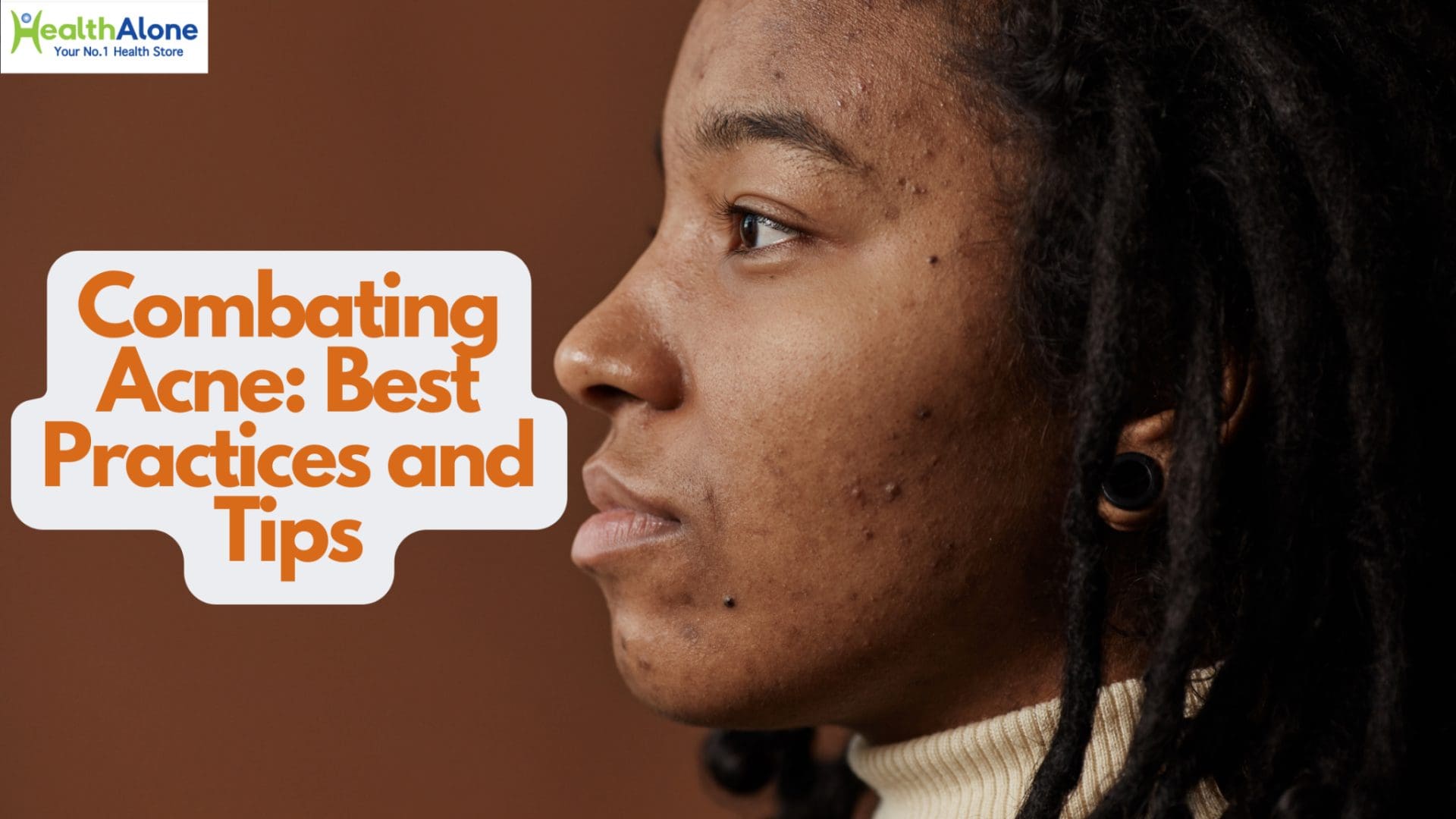
Acne is a skin condition characterized by the presence of pimples, blackheads, and whiteheads.
It occurs when hair follicles become clogged with oil and dead skin cells.
While acne is most common during puberty, it can affect individuals at any age.
Causes of Acne
Several factors contribute to the development of acne. These include:
- Hormonal Changes: Fluctuations in hormones, particularly during puberty, menstruation, or pregnancy, can increase oil production in the skin.
- Genetics: A family history of acne can make an individual more prone to developing the condition.
- Diet: Certain foods, such as those high in sugar and dairy, may trigger or exacerbate acne.
- Stress: Stress can lead to hormonal changes that may worsen acne.
- Medications: Some medications, including corticosteroids and lithium, can cause acne.
Types of Acne
Acne can manifest in various forms, including:
- Comedonal Acne: Characterized by blackheads and whiteheads.
- Inflammatory Acne: Involves red, inflamed pimples.
- Cystic Acne: Severe acne that results in large, painful cysts.
Daily Skincare Routine
A consistent skincare routine is crucial for managing acne. Here are some steps to consider:
Cleansing
Use a gentle cleanser twice a day to remove dirt, oil, and makeup. Avoid harsh scrubbing, which can irritate the skin.
Exfoliating
Incorporate exfoliation into your routine 2-3 times a week to remove dead skin cells. Opt for products containing salicylic acid or glycolic acid.
Moisturizing
Even oily skin needs moisture. Choose a non-comedogenic moisturizer that won’t clog pores.
Sun Protection
Apply a broad-spectrum sunscreen daily to protect your skin from harmful UV rays. Look for a formula that is oil-free and non-comedogenic.
Diet and Acne
What you eat can impact your skin. To minimize acne, consider the following dietary tips:
- Reduce Sugar Intake: High sugar levels can spike insulin, which may increase oil production.
- Limit Dairy Products: Some studies suggest a link between dairy consumption and acne.
- Eat Omega-3 Rich Foods: Foods like salmon, walnuts, and flaxseeds have anti-inflammatory properties that may help reduce acne.
Hydration and Its Importance
Staying hydrated is vital for overall skin health. Water helps to flush out toxins and keeps the skin hydrated, which can prevent dryness and irritation.
Over-the-Counter Treatments
Several over-the-counter products can help manage acne. Look for ingredients like:
- Benzoyl Peroxide: Kills acne-causing bacteria and reduces inflammation.
- Salicylic Acid: Helps to unclog pores and reduce swelling.
- Alpha Hydroxy Acids (AHAs): Exfoliate the skin and promote cell turnover.
Prescription Treatments
For more severe cases of acne, prescription treatments may be necessary. These include:
- Topical Retinoids: Promote cell turnover and prevent clogged pores.
- Oral Antibiotics: Reduce inflammation and bacterial growth.
- Hormonal Therapies: Birth control pills or anti-androgens can regulate hormone levels.
Natural Remedies
Some individuals prefer natural remedies for managing acne. These include:
- Tea Tree Oil: Has antibacterial properties that can reduce acne.
- Aloe Vera: Soothes and heals inflamed skin.
- Honey: Contains antibacterial and anti-inflammatory properties.
Lifestyle Changes
Adopting certain lifestyle changes can also help manage acne:
- Maintain a Regular Sleep Schedule: Lack of sleep can stress the body and worsen acne.
- Exercise Regularly: Physical activity helps to reduce stress and improve circulation.
- Avoid Touching Your Face: This prevents the transfer of bacteria and oils to your skin.
Avoiding Common Mistakes
When dealing with acne, it’s important to avoid certain mistakes:
- Overwashing Your Face: This can strip the skin of natural oils, leading to increased oil production.
- Popping Pimples: This can cause scarring and spread bacteria.
- Using Too Many Products: Combining multiple treatments can irritate the skin.
When to See a Dermatologist
If over-the-counter treatments are not effective, or if you have severe acne, it’s important to see a dermatologist. They can provide tailored treatments and help prevent scarring.
Myths About Acne
There are many myths surrounding acne. Some common misconceptions include:
- Myth: Only teenagers get acne.
- Fact: Acne can affect people of all ages.
- Myth: Eating greasy food causes acne.
- Fact: While diet can influence acne, greasy food is not a direct cause.
- Myth: Sun exposure can clear up acne.
- Fact: While it may provide temporary relief, sun exposure can worsen acne in the long run.
Psychological Impact of Acne
Acne can have a significant psychological impact, leading to low self-esteem and depression. It’s important to address the emotional aspects of acne and seek support if needed.
Conclusion
Managing acne involves a combination of proper skincare, lifestyle changes, and, in some cases, medical treatment.
By understanding the causes of acne and implementing the best practices and tips outlined in this article, you can achieve clearer, healthier skin.