
for all your electrical cable needs visit: https://cableskenya.com/
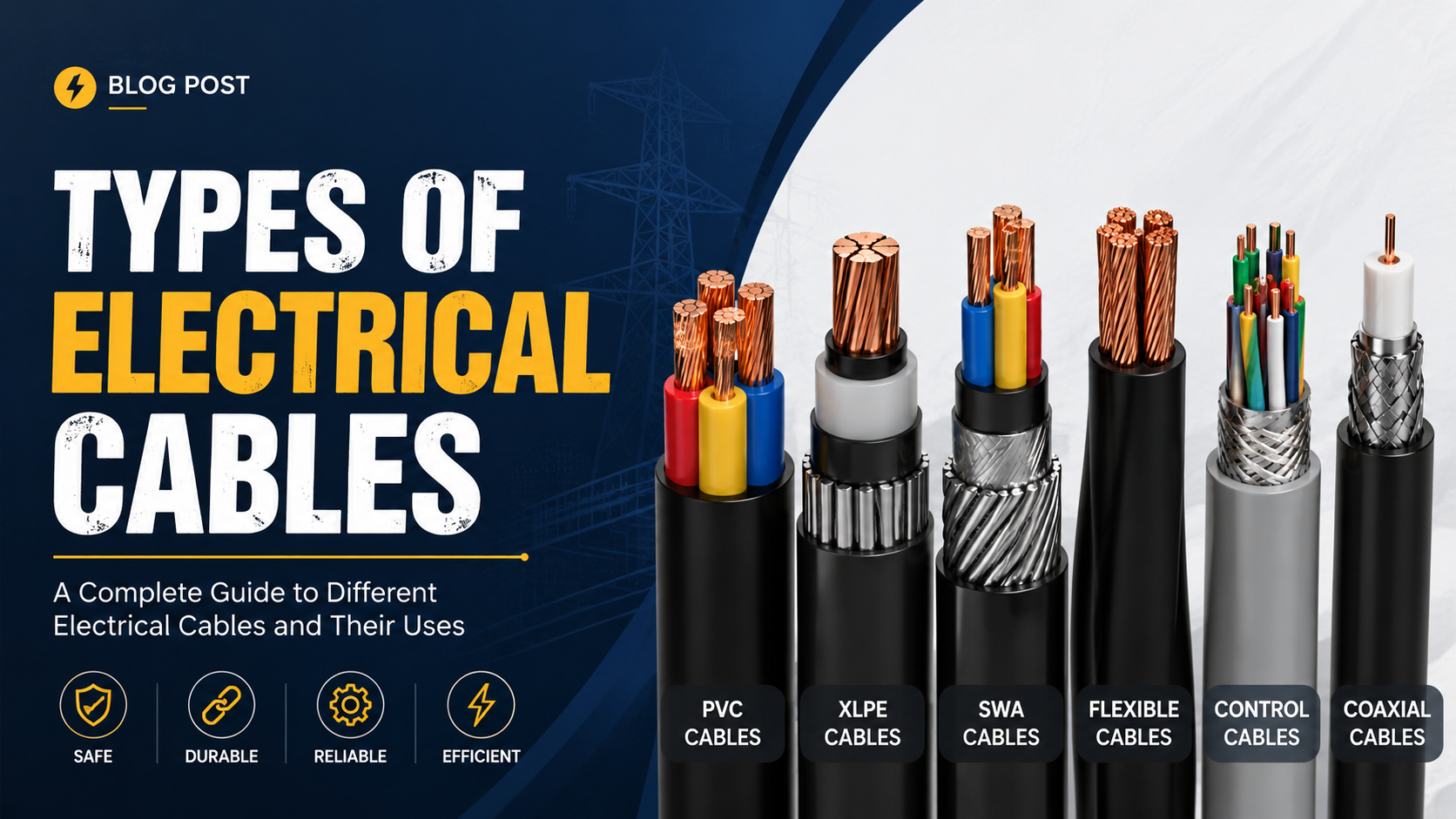
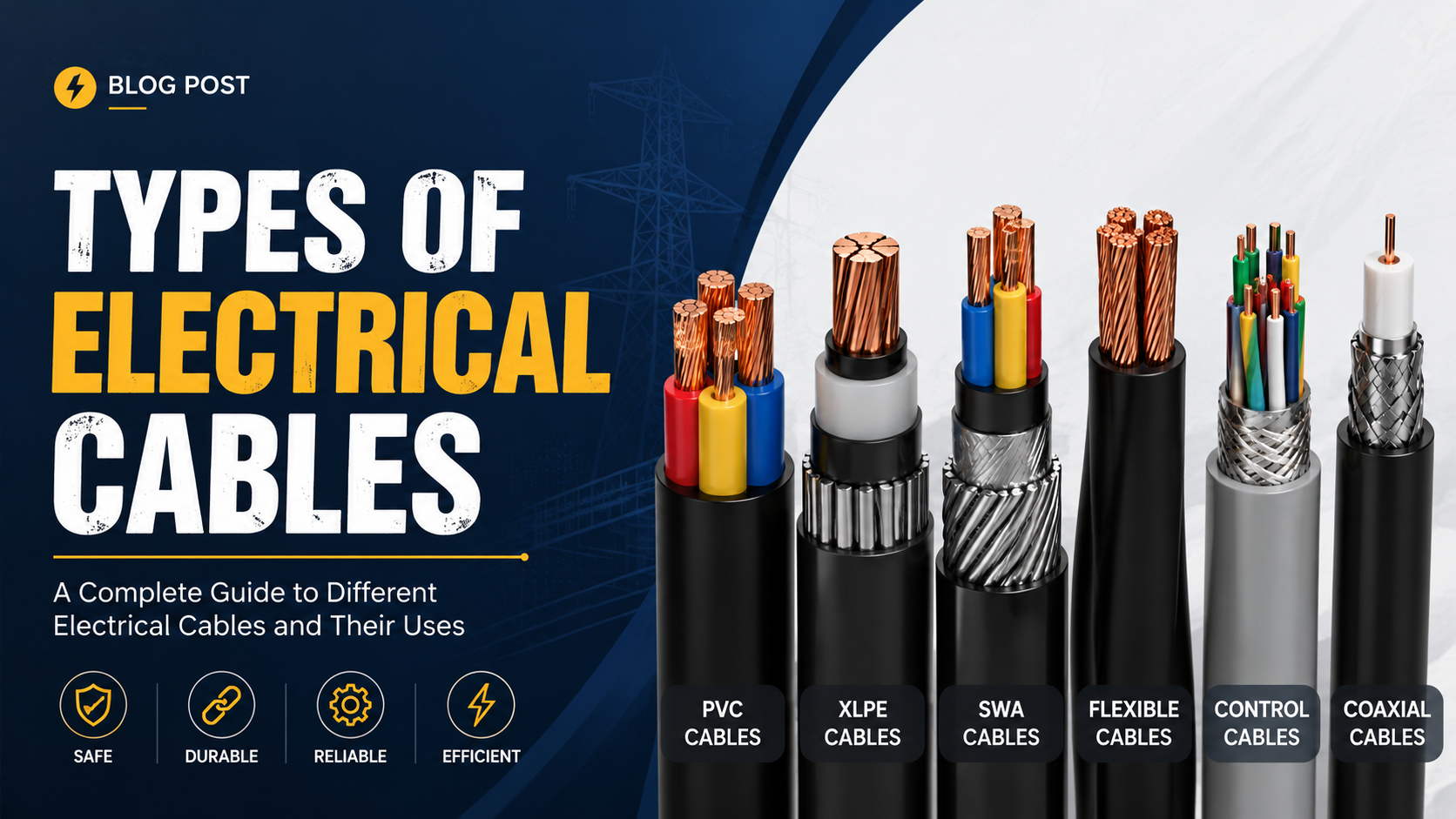
Electrical cables are an important part of every building, home, office, factory, and commercial space. They help carry power, signals, and communication from one point to another. Choosing the right cable is important because it affects safety, performance, and the durability of an electrical installation.
Different cables are designed for different uses. Some are made for general wiring, while others are made for heavy-duty power, control systems, or communication. Below are the common types of electrical cables and where they are used.
1. PVC Cables
PVC cables are among the most commonly used electrical cables. They are covered with Polyvinyl Chloride insulation, which helps protect the wires from moisture, heat, and general wear.
These cables are widely used in homes, offices, and light commercial buildings. They are suitable for general wiring, lighting, sockets, and basic electrical installations.
Common uses of PVC cables include:
- House wiring
- Office electrical installations
- Lighting systems
- Socket outlets
- General low-voltage applications
PVC cables are popular because they are affordable, flexible, and easy to install.
2. XLPE Cables
XLPE cables are insulated using cross-linked polyethylene. This type of insulation makes the cable more resistant to heat, stress, and electrical pressure.
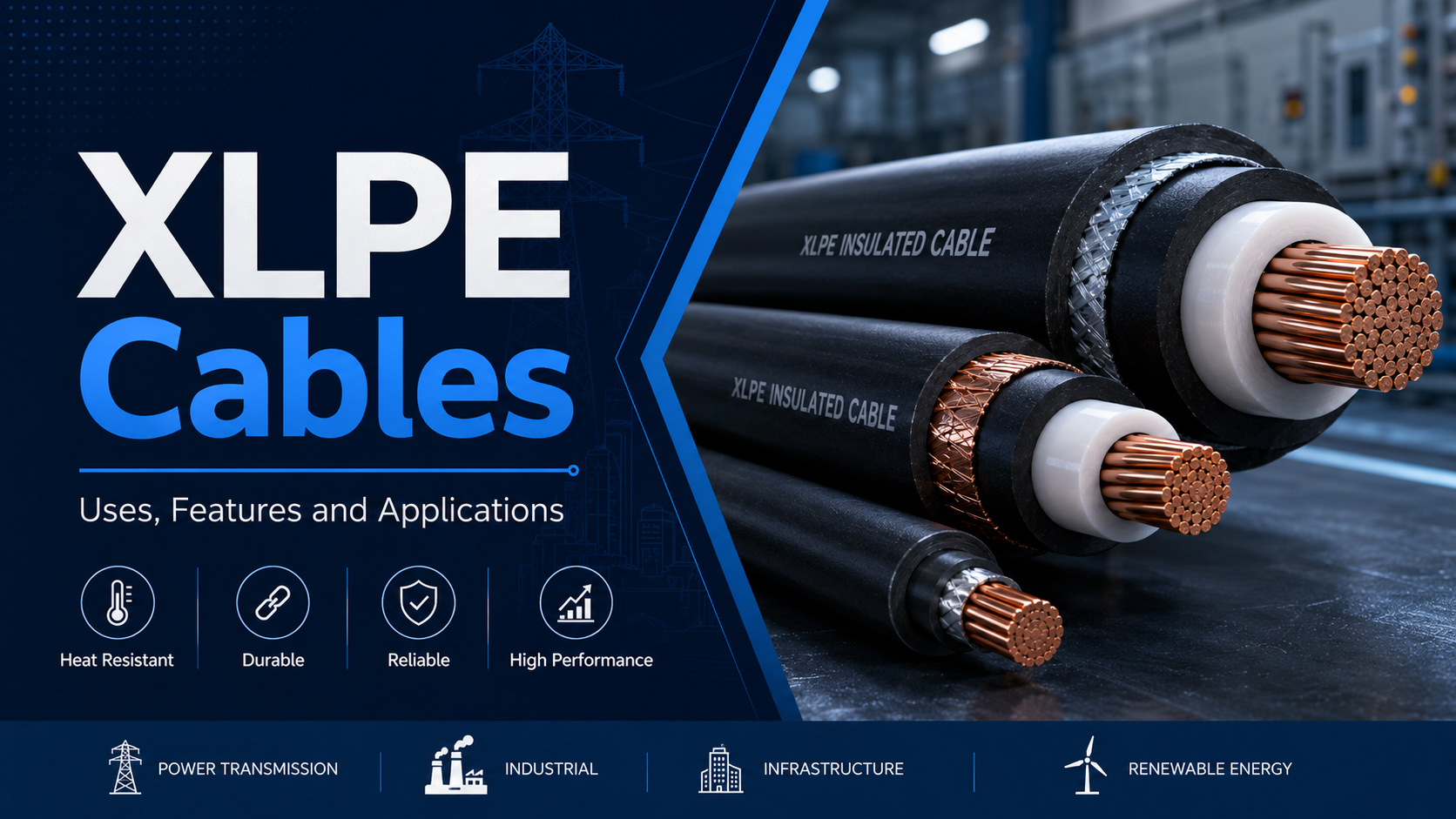
XLPE cables are commonly used in power distribution systems and areas where stronger performance is required. They are suitable for both indoor and outdoor installations, depending on the cable design.
Common uses of XLPE cables include:
- Power distribution
- Industrial wiring
- Underground electrical systems
- Commercial buildings
- High-performance electrical installations
XLPE cables are a good choice where durability and higher temperature resistance are needed.
3. SWA Cables
SWA stands for Steel Wire Armoured cable. These cables have a strong protective steel layer, making them suitable for tough environments. The armour protects the cable from physical damage, pressure, and outdoor conditions.
SWA cables are often used in underground wiring, outdoor power supply, and industrial installations.
Common uses of SWA cables include:
- Underground power supply
- Outdoor electrical installations
- Industrial sites
- Power supply to buildings
- Areas where cable protection is needed
SWA cables are strong, durable, and reliable for heavy-duty electrical work.
4. Flexible Cables
Flexible cables are designed to bend easily without breaking. They are made for equipment and appliances that may need movement or frequent handling.
These cables are commonly used in homes, workshops, offices, and light industrial spaces.
Common uses of flexible cables include:
- Home appliances
- Extension cables
- Portable tools
- Office equipment
- Machines that require movement
Flexible cables are useful where the cable needs to move, bend, or connect to portable devices.
5. Control Cables
Control cables are used to send control signals in electrical systems. They are not mainly used for carrying large amounts of power, but for controlling machines, systems, and equipment.
These cables are common in industrial automation, control panels, and machinery.
Common uses of control cables include:
- Control panels
- Machinery
- Automation systems
- Industrial equipment
- Signal transmission
Control cables help different parts of a system communicate and work together properly.
6. Coaxial Cables
Coaxial cables are mainly used for communication and signal transmission. They have a central conductor, insulation, shielding, and an outer protective layer.
They are commonly used for TV, CCTV, internet, and communication systems.
Common uses of coaxial cables include:
- CCTV systems
- Television connections
- Internet connections
- Antenna systems
- Communication networks
Coaxial cables are designed to reduce signal interference and provide stable transmission.
Why Choosing the Right Cable Matters
Using the right electrical cable is very important. The wrong cable can lead to poor performance, overheating, damage, or safety risks. Every cable has a specific purpose, and the best choice depends on where and how it will be used.
Before choosing a cable, consider:
- The type of installation
- Indoor or outdoor use
- Power requirement
- Safety needs
- Environmental conditions
- Flexibility required
- Protection from physical damage
For proper safety and performance, electrical cables should always be selected and installed by a qualified electrician or electrical professional.
Conclusion
Electrical cables may look similar, but they are made for different purposes. PVC cables are good for general wiring, XLPE cables are suitable for stronger power needs, SWA cables offer heavy-duty protection, flexible cables allow movement, control cables support automation, and coaxial cables help with communication signals.
Understanding the different types of electrical cables helps you make better decisions for safe, durable, and reliable electrical installations.